
Petland Columbus, Ohio

Tag: dog behavior

  • Why Your Dog Always Knows When You’re Eating Something Good

    Why Your Dog Always Knows When You’re Eating Something Good

    The Science of the Snack Radar: Why Dogs Know You're Eating

    You open a bag of chips as quietly as possible.

    You pause. Listen. Look around.

    The coast seems clear.

    Then suddenly… tap, tap, tap. Tiny paws approach. A wet nose appears beside your elbow. And two hopeful eyes lock onto your snack like a heat-seeking missile.

    How did they know?

    You didn’t call them. You didn’t drop anything. You barely made a sound.

    And yet somehow, your dog knew you were eating something good before you even took the first bite.

    Welcome to the mysterious (and undefeated!) world of your dog’s snack radar.

    The Sneaky Science Behind Your Dog’s Food Detection

    As adorable as it is, your dog’s ability to detect snacks isn’t magic. It’s science. And their senses are incredible.

    Here’s what’s really happening behind the scenes.

    Their nose is basically a superpower.

    Dogs have up to 300 million scent receptors in their noses. Humans? Around six million. That means dogs can detect smells at levels we can barely imagine. Even the faint scent of cheese, chicken, or popcorn drifting through the air is practically a dinner bell.

    Food smells stronger to them than it does to us.

    When you smell pizza, it smells good. When your dog smells pizza, it’s like the scent fills the entire room. Their brain dedicates far more space to analyzing smells than ours does.

    They’re reading your behavior.

    Dogs don’t just rely on scent. They’re also expert observers. Studies show dogs are remarkably good at reading human cues, including body language and patterns. Opening the fridge, grabbing a plate, sitting on the couch with a bowl… These are all signals your dog has memorized.

    They’ve learned food might fall.

    Let’s be honest. Something eventually hits the floor. Dogs know this. Over time, they learn that hanging out near humans eating food can lead to a lucky snack drop.

    Why Dogs Are Especially Curious About Human Food

    Human food smells richer because it often contains fats, proteins, and seasonings dogs find irresistible. These strong aromas travel easily through the air, making them impossible for a dog to ignore.

    On top of that, dogs are naturally curious scavengers. In the wild, finding food often means investigating every interesting smell. So when something delicious appears in your kitchen, their instincts kick in.

    Translation: your sandwich never stood a chance.

    Understanding Your Dog’s Snack Radar

    We see this behavior all the time. And honestly, it’s part of what makes dogs so charming. Their curiosity, intelligence, and powerful senses are reminders of just how amazing our canine companions really are.

    Understanding why dogs act the way they do helps pet parents respond in healthy ways. Not every human snack is safe for dogs, but their interest in food is completely natural.

    The more you learn about your dog’s instincts, the easier it becomes to guide them with good habits, proper nutrition, and enrichment.

    One Thing’s for Sure…

    Your dog may not know what taxes are.

    They might not understand the concept of personal space.

    But the moment you open a bag of snacks? They know.

    And somehow, they always arrive right on time.

    Hungry for more? The next chapter’s even better! Follow the paw prints below to keep reading.


    The Love Languages of Dogs (Yes, They’re Real!)
    Spring Fever, Fur Real: What Happens to Your Dog’s Personality When Winter Ends?

  • Spring Fever, Fur Real: What Happens to Your Dog’s Personality When Winter Ends?
    Spring Fever, Fur Real: What Happens to Your Dog’s Personality When Winter Ends?

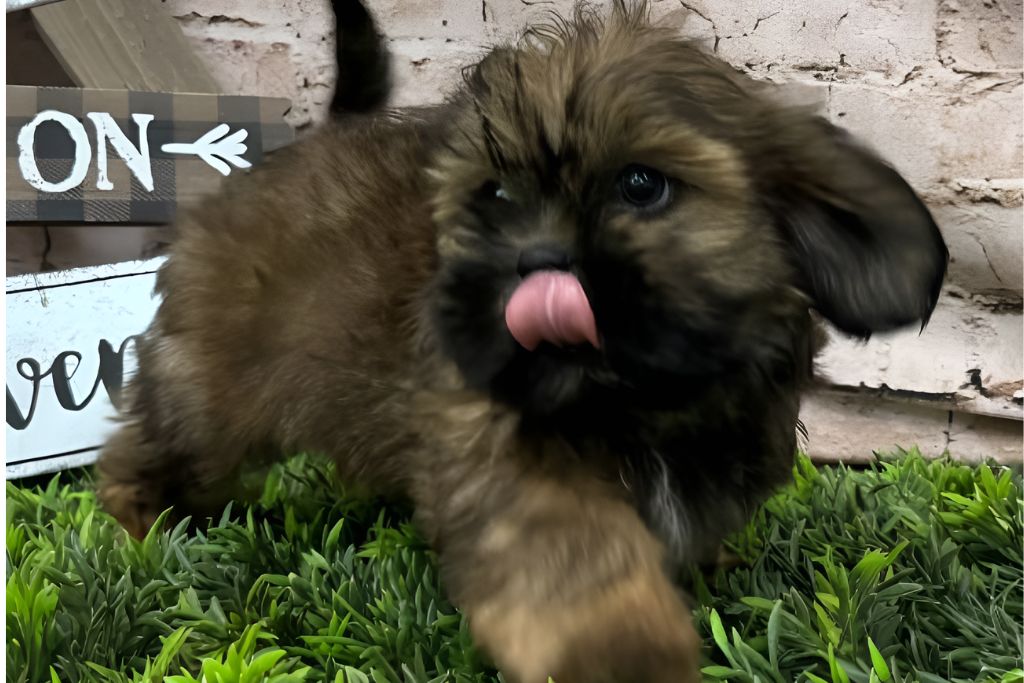
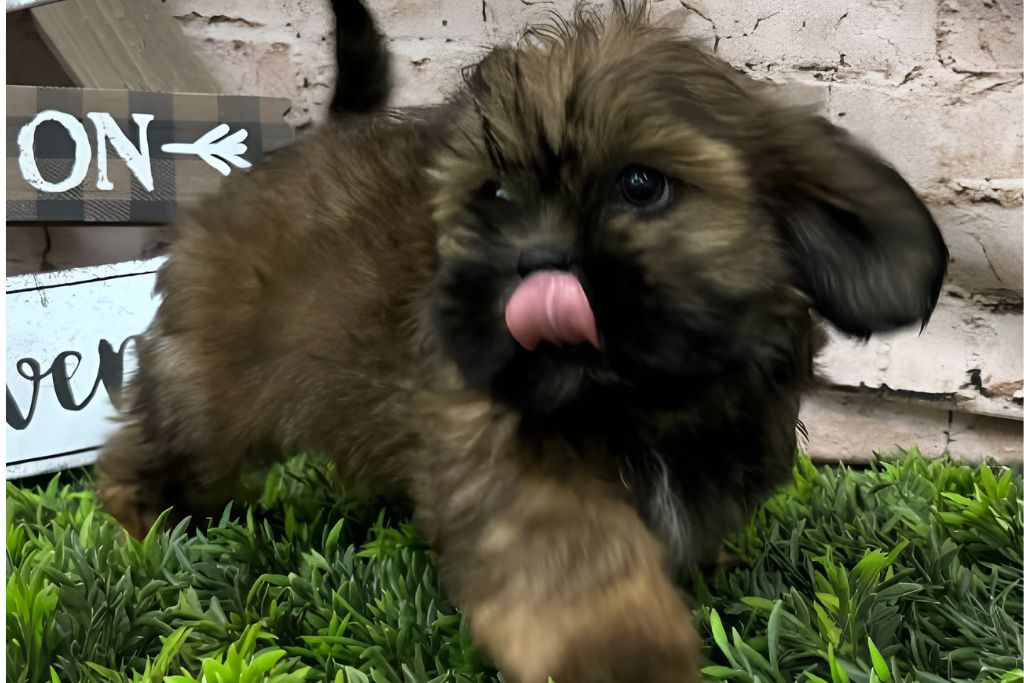
    puppy in grass with tongue out

    The snow melts. The sun sticks around longer. You suddenly feel like cleaning your entire house at 7 a.m. on a Saturday.

    Spring has officially entered the chat.

    And guess what? Your dog feels it, too.

    Just like us, dogs respond to seasonal changes. Longer daylight hours, warmer temperatures, and new smells in the air can shift their mood, energy, and behavior. If your pup seems a little extra lately, you’re not imagining it. Spring fever is real. And honestly, it’s kind of adorable.

    Here’s what you might notice (and how to roll with it).

    1. The Zoomies Are Back… With a Vengeance

    Longer days trigger more activity. Increased sunlight can influence your dog’s natural rhythms and boost energy levels. After a slower winter routine, your pup may suddenly act like they’ve had three espressos.

    What helps? Lean into it. Add an extra walk. Rotate in new toys. Plan a weekend park trip. Structured exercise channels that spring sparkle into healthy outlets.

    2. Sniff Mode: Activated

    Spring brings fresh grass, blooming plants, and an entire season’s worth of new scents. Your dog’s nose is in heaven.

    Expect longer sniff sessions on walks and a little more distraction outdoors. Sniffing is mental enrichment, so let them explore safely. A slightly slower walk can be great brain exercise.

    3. A Little More Reactivity

    More dogs are outside. Kids are playing. Squirrels are back. It’s a sensory overload situation.

    Some dogs become more alert or reactive during spring because their environment suddenly feels busier. Stay consistent with training cues. Reward calm behavior. Keep routines steady even as activity increases.

    4. The Great Shed-Off

    That thick winter coat? It’s clocking out.

    As temperatures rise, dogs naturally shed to regulate body temperature. You may notice more fur around the house and slightly itchier behavior.

    Regular brushing helps. So does high-quality nutrition that supports skin and coat health.

    5. The “Let’s Do Something” Face

    Winter can mean more indoor time. Spring reopens your dog’s social calendar.

    Your pup may suddenly want more playdates, more outings, and more “us” time. This is a great season to build positive experiences. Try a new walking trail. Visit a pet-friendly patio. Reinforce good leash manners.

    Helping Your Dog Thrive This Spring

    Transition gradually. Keep meals consistent. Increase activity in manageable steps. Watch for allergy signs like excessive scratching or paw licking. If something feels off, consult your veterinarian.

    Most of all? Enjoy it.

    Spring is a reset button. For you. For your dog. For your daily rhythm together.

    We love helping pet parents navigate every season with confidence. Whether you need grooming tools, enrichment toys, or expert advice, we’re here for it.

    New season. New energy. Same best friend.

    The snow melts. The sun sticks around longer. You suddenly feel like cleaning your entire house at 7 a.m. on a Saturday.

    Spring has officially entered the chat.

    And guess what? Your dog feels it, too.

    Just like us, dogs respond to seasonal changes. Longer daylight hours, warmer temperatures, and new smells in the air can shift their mood, energy, and behavior. If your pup seems a little extra lately, you’re not imagining it. Spring fever is real. And honestly, it’s kind of adorable.

    Here’s what you might notice (and how to roll with it).

    1. The Zoomies Are Back… With a Vengeance

    Longer days trigger more activity. Increased sunlight can influence your dog’s natural rhythms and boost energy levels. After a slower winter routine, your pup may suddenly act like they’ve had three espressos.

    What helps? Lean into it. Add an extra walk. Rotate in new toys. Plan a weekend park trip. Structured exercise channels that spring sparkle into healthy outlets.

    2. Sniff Mode: Activated

    Spring brings fresh grass, blooming plants, and an entire season’s worth of new scents. Your dog’s nose is in heaven.

    Expect longer sniff sessions on walks and a little more distraction outdoors. Sniffing is mental enrichment, so let them explore safely. A slightly slower walk can be great brain exercise.

    3. A Little More Reactivity

    More dogs are outside. Kids are playing. Squirrels are back. It’s a sensory overload situation.

    Some dogs become more alert or reactive during spring because their environment suddenly feels busier. Stay consistent with training cues. Reward calm behavior. Keep routines steady even as activity increases.

    4. The Great Shed-Off

    That thick winter coat? It’s clocking out.

    As temperatures rise, dogs naturally shed to regulate body temperature. You may notice more fur around the house and slightly itchier behavior.

    Regular brushing helps. So does high-quality nutrition that supports skin and coat health.

    5. The “Let’s Do Something” Face

    Winter can mean more indoor time. Spring reopens your dog’s social calendar.

    Your pup may suddenly want more playdates, more outings, and more “us” time. This is a great season to build positive experiences. Try a new walking trail. Visit a pet-friendly patio. Reinforce good leash manners.

    Helping Your Dog Thrive This Spring

    Transition gradually. Keep meals consistent. Increase activity in manageable steps. Watch for allergy signs like excessive scratching or paw licking. If something feels off, consult your veterinarian.

    Most of all? Enjoy it.

    Spring is a reset button. For you. For your dog. For your daily rhythm together.

    We love helping pet parents navigate every season with confidence. Whether you need grooming tools, enrichment toys, or expert advice, we’re here for it.

    New season. New energy. Same best friend.

    Hungry for more? The next chapter’s even better! Follow the paw prints below to keep reading.

    National Spoil Your Dog Day: Yes, They Deserve It (Every. Single. Day.)
    New Year, Happy Dog: 10 Healthy Habits to Kick Off 2026 With Your Pup

  • Spring Fever, Fur Real: What Happens to Your Dog’s Personality When Winter Ends?

    Spring Fever, Fur Real: What Happens to Your Dog’s Personality When Winter Ends?

    puppy in grass with tongue out

    The snow melts. The sun sticks around longer. You suddenly feel like cleaning your entire house at 7 a.m. on a Saturday.

    Spring has officially entered the chat.

    And guess what? Your dog feels it, too.

    Just like us, dogs respond to seasonal changes. Longer daylight hours, warmer temperatures, and new smells in the air can shift their mood, energy, and behavior. If your pup seems a little extra lately, you’re not imagining it. Spring fever is real. And honestly, it’s kind of adorable.

    Here’s what you might notice (and how to roll with it).

    1. The Zoomies Are Back… With a Vengeance

    Longer days trigger more activity. Increased sunlight can influence your dog’s natural rhythms and boost energy levels. After a slower winter routine, your pup may suddenly act like they’ve had three espressos.

    What helps? Lean into it. Add an extra walk. Rotate in new toys. Plan a weekend park trip. Structured exercise channels that spring sparkle into healthy outlets.

    2. Sniff Mode: Activated

    Spring brings fresh grass, blooming plants, and an entire season’s worth of new scents. Your dog’s nose is in heaven.

    Expect longer sniff sessions on walks and a little more distraction outdoors. Sniffing is mental enrichment, so let them explore safely. A slightly slower walk can be great brain exercise.

    3. A Little More Reactivity

    More dogs are outside. Kids are playing. Squirrels are back. It’s a sensory overload situation.

    Some dogs become more alert or reactive during spring because their environment suddenly feels busier. Stay consistent with training cues. Reward calm behavior. Keep routines steady even as activity increases.

    4. The Great Shed-Off

    That thick winter coat? It’s clocking out.

    As temperatures rise, dogs naturally shed to regulate body temperature. You may notice more fur around the house and slightly itchier behavior.

    Regular brushing helps. So does high-quality nutrition that supports skin and coat health.

    5. The “Let’s Do Something” Face

    Winter can mean more indoor time. Spring reopens your dog’s social calendar.

    Your pup may suddenly want more playdates, more outings, and more “us” time. This is a great season to build positive experiences. Try a new walking trail. Visit a pet-friendly patio. Reinforce good leash manners.

    Helping Your Dog Thrive This Spring

    Transition gradually. Keep meals consistent. Increase activity in manageable steps. Watch for allergy signs like excessive scratching or paw licking. If something feels off, consult your veterinarian.

    Most of all? Enjoy it.

    Spring is a reset button. For you. For your dog. For your daily rhythm together.

    We love helping pet parents navigate every season with confidence. Whether you need grooming tools, enrichment toys, or expert advice, we’re here for it.

    New season. New energy. Same best friend.

    The snow melts. The sun sticks around longer. You suddenly feel like cleaning your entire house at 7 a.m. on a Saturday.

    Spring has officially entered the chat.

    And guess what? Your dog feels it, too.

    Just like us, dogs respond to seasonal changes. Longer daylight hours, warmer temperatures, and new smells in the air can shift their mood, energy, and behavior. If your pup seems a little extra lately, you’re not imagining it. Spring fever is real. And honestly, it’s kind of adorable.

    Here’s what you might notice (and how to roll with it).

    1. The Zoomies Are Back… With a Vengeance

    Longer days trigger more activity. Increased sunlight can influence your dog’s natural rhythms and boost energy levels. After a slower winter routine, your pup may suddenly act like they’ve had three espressos.

    What helps? Lean into it. Add an extra walk. Rotate in new toys. Plan a weekend park trip. Structured exercise channels that spring sparkle into healthy outlets.

    2. Sniff Mode: Activated

    Spring brings fresh grass, blooming plants, and an entire season’s worth of new scents. Your dog’s nose is in heaven.

    Expect longer sniff sessions on walks and a little more distraction outdoors. Sniffing is mental enrichment, so let them explore safely. A slightly slower walk can be great brain exercise.

    3. A Little More Reactivity

    More dogs are outside. Kids are playing. Squirrels are back. It’s a sensory overload situation.

    Some dogs become more alert or reactive during spring because their environment suddenly feels busier. Stay consistent with training cues. Reward calm behavior. Keep routines steady even as activity increases.

    4. The Great Shed-Off

    That thick winter coat? It’s clocking out.

    As temperatures rise, dogs naturally shed to regulate body temperature. You may notice more fur around the house and slightly itchier behavior.

    Regular brushing helps. So does high-quality nutrition that supports skin and coat health.

    5. The “Let’s Do Something” Face

    Winter can mean more indoor time. Spring reopens your dog’s social calendar.

    Your pup may suddenly want more playdates, more outings, and more “us” time. This is a great season to build positive experiences. Try a new walking trail. Visit a pet-friendly patio. Reinforce good leash manners.

    Helping Your Dog Thrive This Spring

    Transition gradually. Keep meals consistent. Increase activity in manageable steps. Watch for allergy signs like excessive scratching or paw licking. If something feels off, consult your veterinarian.

    Most of all? Enjoy it.

    Spring is a reset button. For you. For your dog. For your daily rhythm together.

    We love helping pet parents navigate every season with confidence. Whether you need grooming tools, enrichment toys, or expert advice, we’re here for it.

    New season. New energy. Same best friend.

    Hungry for more? The next chapter’s even better! Follow the paw prints below to keep reading.

    National Spoil Your Dog Day: Yes, They Deserve It (Every. Single. Day.)
    New Year, Happy Dog: 10 Healthy Habits to Kick Off 2026 With Your Pup