Petland Columbus, Ohio

Author: cosmick

  • High Energy Dogs

    High Energy Dogs

    Are you looking for a fast-paced high energy dog that will keep you active? If so, here is a list of the most energetic dog breeds that will keep you and your kids on the move! It is very important though to know that these dog breeds will require a lot of outdoor activity time with their family to prevent them from engaging in indoor no no’s. (Chewing furniture, etc.)

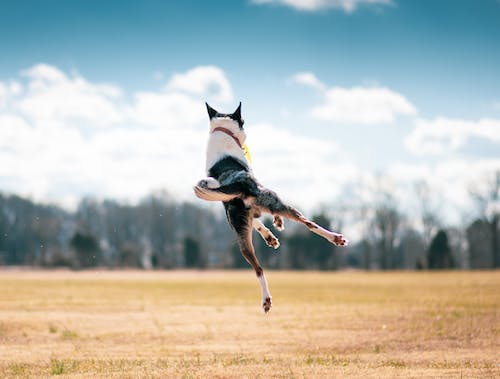
    Border Collie

    The Border Collie is an extremely intelligent, loyal, playful and energetic dog breed. They are well known for their agility and stamina. These dogs make great family pets for those who enjoy a lot of time outdoors.

    HEIGHT: 18 to 23 Inches

    WEIGHT: 30 to 60 Pounds

    PHYSICAL CHARACTERISTICS: Rough or smooth medium-length coat which can be solid, bicolor, tricolor, merle, or sable; well-balanced, athletic body.
    Australian Shepherd

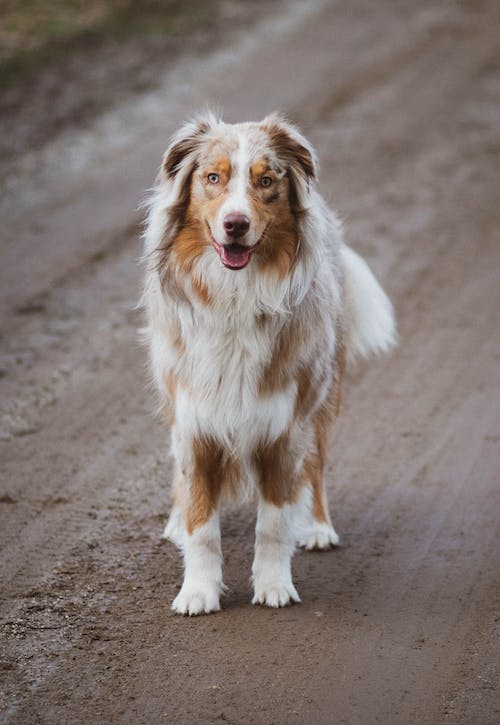
    The Australian Shepherd is a dog that is often on the move. They have a lot of energy and enjoy burning it off. This breed is a great fit for families that have active children who enjoy playing outside. It is important to make sure the Australian Shepherd receives copious amounts of activity time to prevent pent up energy.

    HEIGHT: 18 to 24 inches

    WEIGHT: 35 to 65 pounds

    PHYSICAL CHARACTERISTICS: Medium-length coat with a well-balanced body; colors include black, blue merle, red, and red merle.
    Jack Russell Terrier

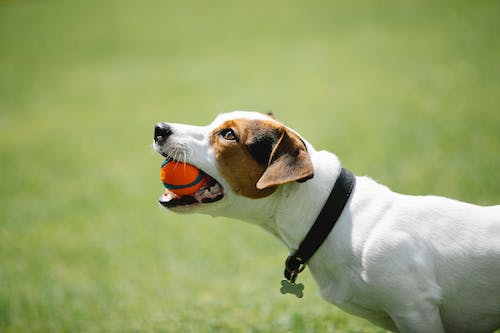
    The Jack Russell Terrier is as energetic and wiry as he looks! This small breed of dog loves playtime and will most likely outplay even the most active child. From running, to playing fetch, to a game of tug of war, the Jack Russell Terrier is top dog!

    HEIGHT: 12 to 14 inches

    WEIGHT: 13 to 10 Pounds

    PHYSICAL CHARACTERISTICS: Smooth or wiry coat with colors include white with black, brown, or tan markings
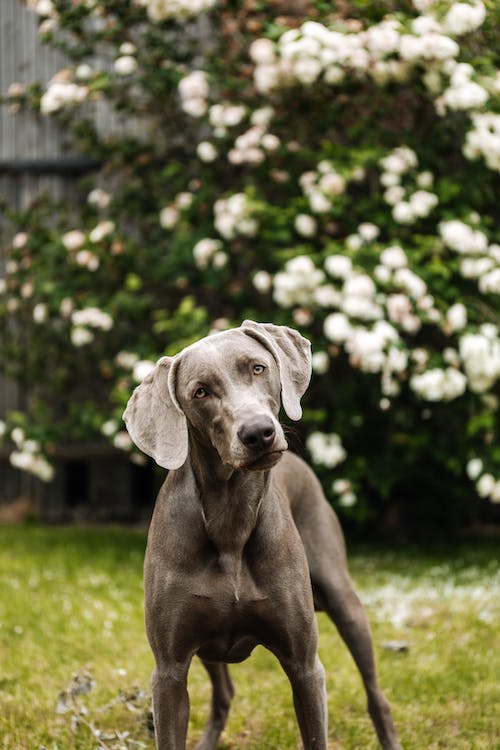
    Weimaraner

    Weimaraners were originally bred for hunting and are considered high-energy dogs. This breed loves to engage in outdoor activity time with family and does well with families who like to stay busy. About 60 minutes of activity time a day for this breed will help keep him happy and healthy.

    HEIGHT: 23 to 29 inches

    WEIGHT: 50 to 90 pounds

    PHYSICAL CHARACTERISTICS: Sleek body with a short coat; blue to gray color.
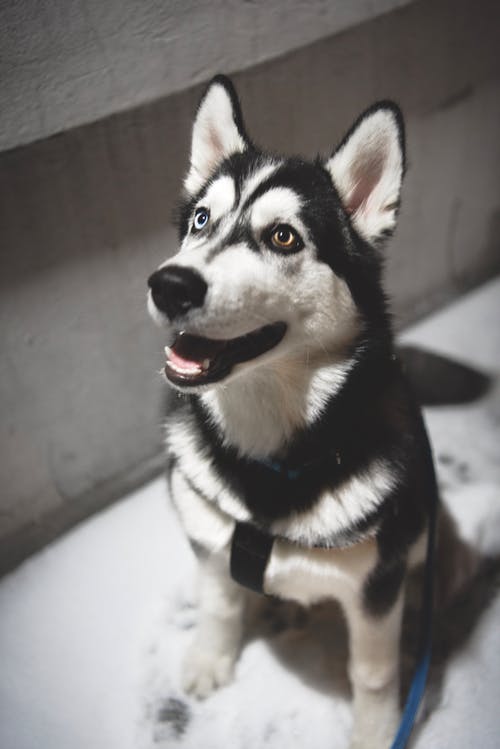
    Siberian Husky

    Siberian Huskies were bred to pull sleds over very long distances. This breed is known for having an incredible amount of energy and loves to stay active. They do best with families who include them in outdoor activity time which can be anything from hiking to a brisk walk or a game of fetch. It is important to keep them active to prevent them from destroying indoor fixtures out of boredom.

    It is important to remember that all dogs require daily exercise in order to remain fit and healthy. Dogs that are considered to be high energy dogs will require even more activity time to help them feel their best. Regardless which way you accomplish this, making sure to consistently keep your pup on a good activity schedule is very important.
  • The Seven Oldest Breeds of Dogs

    The Seven Oldest Breeds of Dogs

    They are known as man’s best friend and recent research indicates that they may have been given this title longer than we first believed. Although many dog breeds date back centuries, there are a few that date back well before that. Below is a list of the oldest dog breeds on record and a little information about each breed.

    Akita Inu

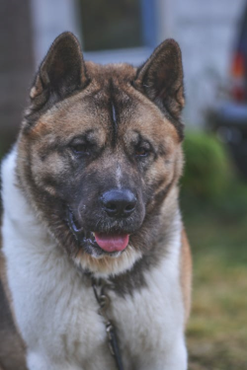
    Dating Back 10,000 Years – Akita Inu

    The Akita Inu is a historic breed of dog who originated in the mountains of northern Japan. The two separate varieties of Akita are a pure Japanese strain, also known as Akita-ken and a mixed American strain, commonly larger. This breed has a short double coat similar to northern spitz breeds. The Akita Inu is a very strong, loyal and focused dog who’s been around for a long time.

    Dating Back 9,500 Years – Greenland Sled Dog

    The Greenland Sled Dog is a sturdy, powerful and heavy-built dog with a wedge-shaped head, slightly tilted eyes and small triangular ears. This breed is covered with a thick coat which helps to prevents frostbite. This breed has a very long history of being a loyal and hardworking dog known for its incredible stamina.

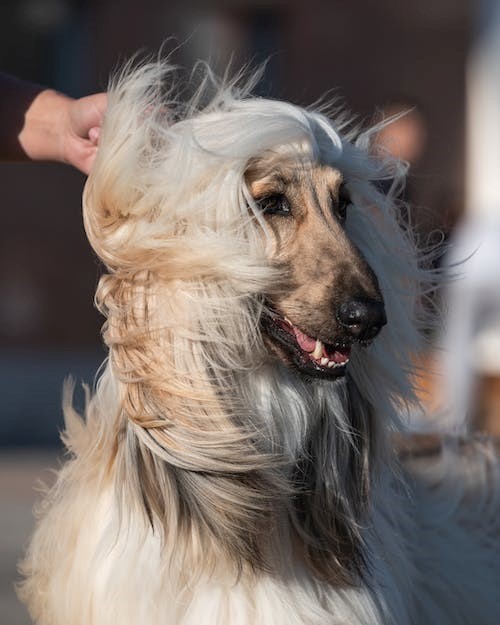
    Dating Back 8,000 Years – Afghan Hound

    While many believe that the Afghan Hound was originally from the deserts of Egypt, its name suggests otherwise, and a more realistic theory is that they were originally bred by the nomadic people of Afghanistan and its neighboring regions. This breed was used to hunt animals such as antelopes and leopards. They are very fast and focused dogs that have a very long history.

    Greyhound

    Dating Back 8,000 Years – Greyhound

    The original primary use of Greyhounds, both in the British Isles and on the Continent of Europe, was in the coursing of deer for meat and sport. Over thousands of years, this breed has become a very popular family pet due to their gentle and loving demeanor. Greyhounds are also extremely fast and are able to maintain great speeds over long distances. As of today, the Greyhound is known as the fastest breed of dog in the world clocking in at 45 mph.

    Dating Back 5,000 Years – Basenji

    The Basenji is an ancient dog breed tracing their lineage from pariah dogs to the Egyptians and then to hunting dogs for the tribes in the Congo. Running in silent packs, the Basenjis often wore bells to alert their human partners to their whereabouts in the deep jungle. This breed of dog was a tremendous hunter whose stamina and loyalty won the hearts of humans for thousands of years.

    Dating Back 5,000 Years – Tibetan Mastiff

    The Tibetan mastiff is a large-size dog breed that originated in China. They are often described to be as magnificent and alert as a lion. This breed was used in Tibet for thousands of years as powerful and imposing estate guard. They are very protective and loyal dogs whose appearance can be intimidating. Despite being very intelligent dogs, they can be stubborn and at times difficult to train. Many would suggest training at a young age will yield the best results.

    Dating Back 5,000 Years – Saluki

    The Saluki is a very old breed of dog dating back thousands of years. Images of this breed with have been found on various artifacts in the Middle East, such as tomb paintings and mosaic sculptures. The Saluki was bred to hunt and unlike many dogs that utilize scent to do so, this breed utilizes its amazing vision. These are strong, alert, and fast dogs that have a long and proven history of helping mankind.

  • They’ll Fight Like Cats and Dogs! Or will they?

    They’ll Fight Like Cats and Dogs! Or will they?

    As the saying goes, they’ll fight like cats and dogs…

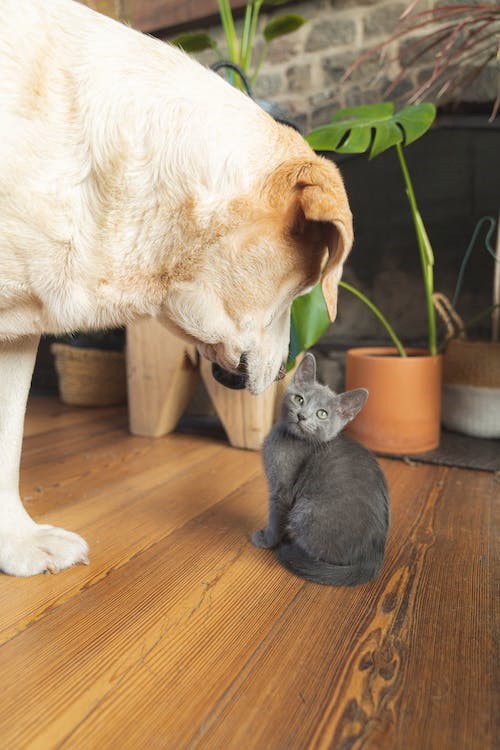
    Not necessarily if you find the right dog. But what qualities does a dog need in order for it to get along well with a cat? The first thing to take into consideration is the dog’s breed group. Dogs in the Terrier Group were by designed bred to hunt small game. (Such as a cat!) Dogs in the Hound Group were bred to chase and follow, which would mean a cat on the run could cause this type of breed to chase it.

    Dogs that fall under the Herding Group were designed to do just that, herd. Cats are very independent animals and may not appreciate being led where to walk. Although all of these types of dog breeds are able interact well with cats, many dogs within these groups naturally may have a hard time doing so.

    On the other hand, dog breed groups known for having a less energetic and more laid-back mentality tend to do well with cats. For example, the Toy Group includes smaller lapdogs who generally spend more energy gently licking their owner’s hand than chasing them.

    They also tend to be less alarming to a cat since they are almost the same size. Being that they are not as active, a cat may not feel as intimidated around them. Smaller and calmer breeds such as the Cavalier King Charles Spaniel is known for their gentle disposition and do not over-bark, which can startle a cat.

    In a perfect world, the cat and dog are introduced while both are young, which allows them to grow and bond without having a territorial conflict. For those of us who add a cat to the mix after already owning a dog, it is important to remember that they first need to get familiar with one another. This will take time and initially keeping both pets spaced apart. By allowing each pet to sense (smell and hear) the other animal will allow for a gradual adjustment between the two. Eventually, both pets will need to see each other, but it is advised that they do so standing on different sides of a pet gate. This will prevent one pet from scratching or biting the other.

    Below are the top five dog breeds that we believe do best with cats inside the home.

    Bichon Fires

    The Bichon Frise has a warm and gentle demeanor and tends to do well with cats because of this. They are not aggressive dogs and enjoy curling up next to any fur-legged friend they can find. They are also a smaller dog which may allow the cat to feel less threatened.

    Cavalier King Charles Spaniel

    Cavalier King Charles Spaniel

    Cavalier King Charles Spaniels are extraordinarily loving and calm dogs who enjoy being close to family. They quickly warm up to people and other pets in the home and are not known for overly barking. This breed is gentle and caring and does make a great fit for those who also want a cat.

    Poodle

    Poodles (all three sizes) make excellent housemates for cats. Many Toy Poodles enjoy actually playing with cats. Miniature Poodles have been known to just exist with a cat and be partial. Standard Poodles seem to have a “who cares” outlook and pretend the cat isn’t even in the house. The Poodle is a very smart dog who is able to get along with just about anyone or anything.

    Golden Retriever

    Golden Retrievers are one of the top dog breeds in general. They get along well with people, other dogs, and cats. The Golden Retriever enjoys his family, and if a cat is a part of that, so be it. With very pleasant and warm personalities, this breed normally does well with cats. They are also not aggressive or known to push other animals around.

    Labrador Retriever

    Labrador Retriever

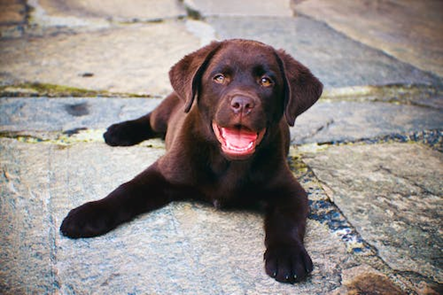
    The always “pup-ular” Labrador Retriever, or “Lab,” is a very social yet not anxious or excited dog. They tend to be patient and have very warm and loving personalities. This breed tends to coexist well with other pets in the home, including cats. For many years this breed has been ranked as a top dog breed in the United States.

    Regardless which dog breed you decide to introduce to a cat, the key is being patient. Remember, by nature not all animals “get along” but with time, care, and introducing the animals in steps, your puppy’s new best friend may be a cat.

  • Top Pups for First Time Dog Owners

    Top Pups for First Time Dog Owners

    Adding a dog to your family is a very fun and exciting part of life, however, does come with some challenges. Realistically, your pup is a part of your family and will be for many years. There are certainly many plusses to adding a fur-legged friend but there are also certain challenging aspects that come with this. Potty training, basic obedience and you being able to leave home for long periods of time while your pup is home alone are just a few. The key is finding a dog breed that best fits your family’s dynamics and routine. Certain dogs are a better fit for first-time dog owners because they are easier to care for. Below is a list of our top five dog breeds for those who never owned a dog before.

    Bichon Frise

    The Bichon Frise is more of a laidback and happy-go-lucky dog. They are easy to get along with and tend to be very simple. They also train easily and only need a moderate amount of exercise. This a big plus for families that are always on the go. They tend to do well when their family is away from the home and are not known to be destructive. This breed has been a very popular breed for many years because of this.

    GROUP: Non-Sporting (AKC)

    HEIGHT: 9 to 12 inches

    WEIGHT: 7 to 12 pounds

    COAT AND COLOR: Curly white coat; may have traces of apricot, buff, or cream LIFE EXPECTANCY: 13 to 15 years

    Cavalier King Charles Spaniel

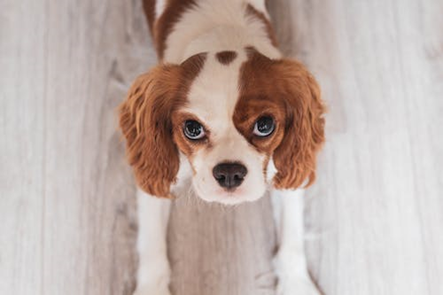
    The Cavalier King Charles spaniel is as loving as she looks. They tend to do great with children and have warm demeanors. They do well home alone and are not known to act out when their family is away for the day. This breed also trains well and is overall a very easy dog to care for. The Cavalier King Charles Spaniel does not require excessive amounts of exercise and will be patiently waiting for you at the front door for you to come home. This breed makes a great fit for first-time dog owners.

    GROUP: Toy (AKC)

    HEIGHT: 12 to 13 inches (to the withers)

    WEIGHT: 13 to 18 pounds

    COAT AND COLOR: Long, sleek and silky coat with feathering around ears, feet, chest, and tail in four color varieties, tricolor, blenheim, ruby, and black and tan LIFE EXPECTANCY: 12 to 14 years

    Golden Retriever

    The Golden Retriever makes a great dog for first-time dog owners because they are very easy to train and very smart. They do require and do well with a little more activity time than some breeds, however, they also tend to occupy themselves when at home alone. This breed is also able to adapt to contemporary home or apartment living, does great with children and is overall one of the better dog breeds for first-time dog owners.

    GROUP: Sporting (AKC)

    HEIGHT: 20 to 24 inches

    WEIGHT: 50 to 75 pounds

    COAT AND COLOR: Medium-length double coat; light to dark gold LIFE EXPECTANCY: 10 to 12 years

    Pomeranian

    The Pomeranian is a gentle and caring lapdog who loves his family. They are easy to care for and do not require excessive exercise. They are also not known to be destructive and are good at occupying themselves when home alone. They can be at times a bit stubborn, however, do train well and make great contemporary home or apartment style living dogs. Although this good-looking dog looks high maintenance, they are anything but that and are sure to make a great fit in your home.

    GROUP: Toy (AKC)

    HEIGHT: 6 to 8 inches

    WEIGHT: 3 to 7 pounds

    COAT AND COLOR: Long, double coat that comes in many colors, though the most common are red, orange, cream, sable, black, brown, and blue LIFE EXPECTANCY: 12 to 16 years

    Poodle

    Last but certainly not least is the ever so popular Poodle. Known to be the scholars of all dogs, this breed is a great fit for new dog owners because they train with ease. The Poodle does do best with one-on-one attention from his family, but is also able to adapt to being home alone when no one is home. This Poodle comes in three sizes: toy, miniature, or standard. All are intelligent and very loving dogs.

    GROUP: Non-Sporting (AKC)

    HEIGHT: Over 15 inches (standard) 10 to 15 inches (miniature) 10 inches and under (toy)

    WEIGHT: 45 to 70 pounds (standard) 15 to 18 pounds (miniature) 5 to 9 pounds (toy)

    COAT AND COLOR: One of many solid colors, including but not limited to white, black, gray, brown, apricot, and particolored LIFE EXPECTANCY: 10 to 16 years

  • Tips for Keeping Your Pup Healthy in the Winter

    Tips for Keeping Your Pup Healthy in the Winter

    With winter here, we all know the challenges of staying warm and safe. We must also take into consideration the well-being of our pets as the temperature drops. Here are a few simple tips you can take to make sure your fur-legged friend stays warm, comfortable, and healthy this winter season.

    Keep a Time Limit on How Long Your Pup is Outside

    The key is monitoring your pup and making sure he is not left outside for more than a few minutes at a time. Things such as frostbite can set in quickly, which can be very painful for your dog. Watch his behavior while outside, and if he begins to slow down or shiver, it’s time to bring him in. Dogs do love the outdoors but have limitations, just like we do.

    Bundle Your Pup Up

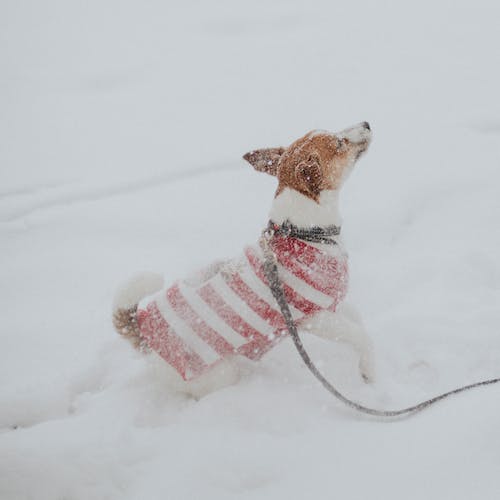
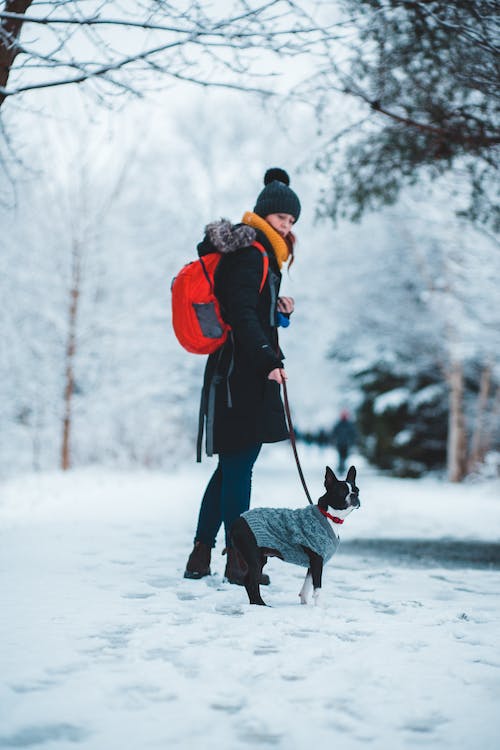
    Yes, most dogs have thick coats, which will help keep them somewhat warm, but a second layer of insulation, such as a dog jacket or sweater, will help keep your pup warmer. Many pet stores carry insulated jackets which will prevent your dog from losing heat. This is especially important for dog breeds that have a thin coat and or are not designed to withstand cold weather.

    Consider Your Pup’s Age and General Activity Level

    Young puppies and senior dogs tend to have more of a difficult time in cold weather. Although puppies love to play in the snow, they do not always know their limits and can find themselves in over their head (no pun intended) when a significant amount of snow falls. Dogs between two years of age and eight years of age tend to handle the cold weather better than puppies or senior pups.

    Keep Your Dog’s Paws Protected

    Dogs have very sensitive and vulnerable paws, which is why keeping their paws safe is important. Dog booties offer a layer of protection between your pup’s paws and the harsh ground. Ice and snow can quickly irritate the pads on your dog’s paws. Other things, such as rock salt, which is used in the winter, can also greatly irritate his paws. Doggy booties are an inexpensive yet effective way to keep your pup feeling his best while outside in the winter. They may take some time to get used to, but they are well worth it.

    Heating Beds for After Playtime

    After your pup comes in, he will need to warm up. Providing your pup with a dog heating bed is a great way to help bring his body temperature up to where it needs to be. This will also help your four-legged friend relax and rest after exerting himself while outside. Several dog heating beds come with an automatic shutoff feature for safety. If a heating bed is out of your price range, consider a dog heating pad. This less expensive item will also allow your dog to warm up after being outside in the freezing weather.

    Hydrate Your Dog After Playtime

    Dogs do not only need extra water after playing in the warm months. Cold winter days will also require your pup to stay well hydrated. When the moisture in the air drops (as it often does) in the winter, your dog will need proper hydration. Providing your dog with ample amounts of room-temperature water when he returns inside will help keep him feeling his best.

    Clean His Paws

    If you opt not to use dog booties, be sure to make sure his paws are wiped down when he comes in. Rock salt and other anti-ice agents may cause your pup’s paws to be in discomfort. Wiping them down will help to remove whatever he gets on them, plus it will prevent him from licking the substance off of his paws. This very quick and very easy chore will greatly benefit your dog.

    We all love our dogs, and by taking a few simple precautions, we can ensure that they remain in top condition and feel great all winter long. Always remember, if it’s too cold for you to be outside, it is probably too cold for your dog to be outside. Taking the time to make sure your pup is comfortable and safe is always very important.

  • Top Five Dog Breeds Who Love to Play Outdoors

    Top Five Dog Breeds Who Love to Play Outdoors

    If you love spending time in the great outdoors and are considering adding a fur-legged friend to your family this blog is for you. Making sure you find a dog that enjoys spending time outside as much as you do is important. Although all dog breeds enjoy time outside, some are better built for this and have different characteristics which will allow them to keep up with you and your family. Below is a list of the top five dog breeds who will enjoy outdoor exploring as much as you do.

    The Labrador Retriever is originally from Newfoundland and bred from a water dog. This breed was eventually brought to England to work as waterfowl retrievers thanks to their physical agility and abilities. Labrador Retrievers are very social dogs and enjoy walking side-by-side with their family. They are also very smart dogs who easily learn basic commands which will help to prevent them from straying off while you and he explore the great outdoors.

    Basic Breed Facts:

    Group: Working

    Height: 20 to 26 inches tall at maturity

    Weight: 50 to 75 pounds at maturity

    Life expectancy: 10 to 12 years Coat and color: The coat is short; fawn and brindle are the standard colors.

    The Pomeranian is a spitz breed dog which descended from sled dogs in Lapland and Iceland. The Pomeranian is related Samoyeds and Malamutes. Although this dog breed is smaller in size, they do very well spending time outside and enjoy exploring with family. They also tend to train easily and quickly learn basic commands.

    Basic Breed Facts:

    Group: Toy

    Height: 6 to 8 inches tall at maturity

    Weight: 3 to 8 pounds at maturity

    Coat and color: A long, double coat that can be found in many colors such as cream, red, orange, black, brown, blue, and sable. Life expectancy: 12 to 15 years

    Australian Shepherds which are also known as “Aussies” are a very athletic, strong, and agile dog. This breed is very active and does great in families that enjoy long outdoor walks and exploring the wild. This breed thrives on activity time and will keep his family active. Aussies were developed in the United States, where ranchers bred them as livestock herders and farmworkers.

    Basic Breed Facts:

    Group: Herding

    Height: 18 to 24 inches tall at maturity

    Weight: 40 to 70 pounds at maturity Coat and color: Vary between medium to long coats which can be found in black, red, merle, or blue.

    Jack Russell Terriers originated in the 1800s in England and were used to hunt foxes and small game. They are very active and energetic dogs who enjoy outdoor activity time with their family. This breed is known to enjoy long walks on trails with family and even enjoys swimming. If you intend to add this breed to your family get ready to stay active because this breed thrives on activity.

    Basic Breed Facts:

    Group: Terrier

    Height: 10 to 10 inches tall at maturity

    Weight: 12 to 19 pounds at maturity Coat and color: Short hair which can be found smooth or rough and in tan, brown, black or white.

    The Portuguese Water Dog is a working dog who loves to be on the move. They are high energy dogs that thrive on outdoor activity time with their family. This breed also does well with other dogs that enjoy active family time. For families that enjoy swimming, this pup should be one to consider as swimming is one of their favorite pastimes.

    Basic Breed Facts:

    Group: Working

    Weight: 35 to 65 pounds at maturity

    Height: 16 to 24 inches tall at maturity Coat and color: Tightly curled or wavy coming in a variety of colors which include black, white, brown, white and silver mixed, and black and white mixed.

  • Help! My Dog Ate Chocolate!

    Help! My Dog Ate Chocolate!

    We all know that the only time we should use the words chocolate and dog in the same sentence is when we use them to identify a “Chocolate Lab.” Chocolate, although a delicious treat for humans, is a never something that a dog should eat. The reason is because chocolate contains theobromine, a caffeinelike molecule that increases blood flow to the brain. This is highly toxic for dogs and could lead to poisoning. Although most dogs do not eat enough chocolate to die, many will consume enough that can make them very ill.

    Physical Signs/Symptoms that Your Dog Ate Chocolate

    • Vomiting
    • Diarrhea
    • Anxiousness
    • Increased thirst
    • Moderate Symptoms
    • Wobbliness when walking
    • Increased thirst
    • Heavy panting
    • Restlessness
    • Bluish Tongue
    • Excessive urination
    • In severe cases, symptoms can include:
    • Racing heart rate / fast pulse
    • Muscle tremors
    • Seizures
    • Heart failure

    What to Do if You Believe Your Dog Ate Chocolate

    Act fast! Try to locate the packaging from the chocolate that your dog ate. This will help you to determine what type of chocolate and how much. The darker and more bitter the chocolate, the more dangerous it is to dogs. Baking chocolate and gourmet dark chocolate are highly concentrated and contain 130-450 mg of theobromine per ounce. Common milk chocolate only contains about 44-58 mg/ounce. In either instance, this is not something to sit back on. It is always recommended that you immediately notify your veterinarian for professional advice and guidance if you believe your dog consumed chocolate.

    Are All Chocolates the Same?

    Although no chocolate is good for your dog, some types are worse than others. Dark chocolate is the most dangerous type of chocolate for your dog to eat. It only takes about 0.2 ounces per pound of dark chocolate to cause health issues. Milk chocolate has less theobromine and caffeine than dark chocolate. White chocolate has the least theobromine and caffeine. A good rule of thumb is that it takes about 0.5 ounces of milk chocolate per pound of body weight to cause moderate symptoms.

    How Long Until Symptoms Appear?

    The symptoms of chocolate poisoning in dogs are usually observed between three and twelve hours of consumption. Despite this, it is never advised to wait and see if your dog begins to get sick before taking action. The moment you realize this is the moments that you need to do something!

    Best Way to Prevent Your Dog from Eating Chocolate

    Keep it out of reach! Most dogs get into chocolate that is unintentionally left out. It can be a bowl of chocolate candy left in a dish on the counter, chocolate cake left on the table or even a piece of chocolate laying on the sidewalk that was dropped by someone else. It is very important to be mindful and observant of what your dog is chewing on and eating both indoors and outdoors. Very often many of us will leave something out without giving it thought which allows for the perfect opportunity for our fur-legged friends to snatch it. It should also be noted that the time of the year also increases the chances of your dog consuming chocolate. Months such as October (Halloween) and December (Christmas), when candy is more plentiful around the home increase this risk. Teaching children this from an early age is also a good way to prevent your dog from eating chocolate.

    Children are often more sympathetic to sneaking a treat to their begging fur-legged friend and should understand this is definitely not good to do.

    Another Consideration

    Although we know that chocolate is bad for our dogs, we must also realize many chocolate candies contain more than just chocolate. So, if the chocolate your pup ate didn’t make him sick, the fruit (raisin) or nut (macadamia) the chocolate covered can.

  • Can Dogs Smell Cancer?

    Can Dogs Smell Cancer?

    Dogs have helped humans out over hundreds of years. From rescuing people, to tracking missing persons, to detecting bombs, to herding sheep. One of the most amazing abilities that dogs are also known for is their ability to detect certain types of cancers in people. Recent studies have confirmed that certain trained dogs may be able to detect cancer in people about 40% of the time. Although this is very far from being perfected, it does go to show just how amazing dogs are.

    How do Dogs Detect this?

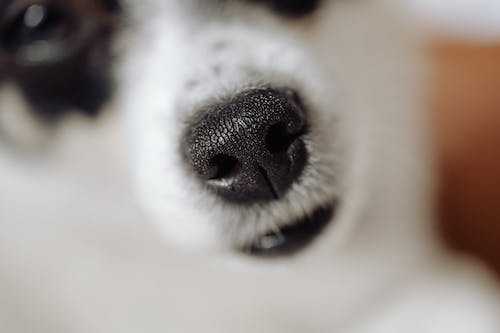
    Dogs have an incredible sense of smell. Our fur-legged friends have up to 300 million olfactory receptors in their nose. To compare, the average person only has about six million olfactory receptors, making a dog’s nose forty times more sensitive than our noses! This is why dogs are commonly used in search and rescue missions, as they can trace a human scent for miles. When a dog smells, it actually smells in 3D. Their nose has been an amazing tool for their survival for thousands of years and continues to be their number one sense.

    Do All Dogs Smell Cancer?

    Untrained dogs do not have the ability to recognize cancer. Dogs that have this ability require a lot of training and testing. Currently, dogs that are trained to detect cancer are only being trained in a trial process. There is still much more research that needs to be completed before dogs can be used as a medically reliable detection source.

    Will Doctors Use Eventually Dogs to Detect Cancer?

    It is very unlikely that a dog will be used as the only way to detect cancer, especially with all of the modern technology that exists today. It has not been fully determined whether dogs can be reliably trained to smell cancer at this point in time. At least not on a consistent basis. Proving that this method of cancer detection is accurate enough to use very well could be many years away, if ever. Even if we do reach the point where a dog can accurately detect cancer, it would be very difficult to train a dog to communicate what they have smelled without further testing being administered.

    What Types of Cancer do Dogs Pick Up On?

    • Breast cancer and lung cancer can at times be detected by sniffing the breath of patients. In these studies, it is thought that the dogs sensed biochemical differences in the exhalation of subjects with diagnosed cancer and subjects with no known cancer.
    • Bladder cancer and prostate cancer are also forms of cancer that certain dogs can pick up on, by sniffing the urine of patients.
    • Colorectal cancer has been detected by dogs too, by sniffing patients’ exhaled breathing and their stool samples.
    • Ovarian tumors can be hit on, by sniffing patient tumor samples and blood samples.
    • Cervical cancer is also a type of cancer that a dog is capable of finding, by sniffing patient biopsy samples.

    Although this type of cancer detection is a long way from being fully trusted, it is just another example at how amazing dogs are. Hopefully one day our fur-legged friends will be able to detect diseased as well as they currently assist humans in various other things.

  • Separation Anxiety in Dogs

    Separation Anxiety in Dogs

    Dogs that suffer from separation anxiety experience tension, stress, mental discomfort, and confusion. This anxiety manifests when a dog feels insecure when left alone at home and is separated from its family. Like how a young child misses a parent, your pup misses you!

    Symptoms of Separation Anxiety in Dogs

    There are different symptoms that dogs can experience from separation anxiety, from basic whining to very destructive behavior, such as chewing furniture and household fixtures. Below are common symptoms associated with separation anxiety:

    • Excessive panting and whining
    • Excessive drooling
    • Barking and crying
    • Urinating or defecating indoors.
    • General destructive behavior
    • Excessive pacing

    How to Train a Dog that Suffers from Separation Anxiety

    The first step is to make sure your dog receives sufficient exercise. Outdoor playtime where your dog can run and enjoy the great outdoors is always a plus. Dogs who are full of energy will not be content being left alone for hours at a time. Making sure your dog senses that you are calm before leaving will also help curb his nerves and mind. Dogs often sense when their owner is upset or anxious and tend to react in a similar fashion. Keep the goodbye talk and pat simple and easy. Be quick when doing it and make sure you do not look back after leaving. It is also suggested that you leave an old shirt or piece of clothing within his reach. Dogs tend to relax when they sense their owner and the scent on your shirt will have that. Before leaving your dog for hours at a time, consider leaving for thirty-to-sixty-minute intervals. This will allow your pup to gradually get used to being alone while building confidence that you will return. A great tip is also not triggering your dog to things they associate you do when you are leaving. Grabbing car keys, putting on your jacket in front of them, putting on your shoes, etc. The anticipation of this very well may get them unsettled before you even leave.

    Medications?

    Your veterinarian is able to evaluate the level of your dog’s separation anxiety and decide that prescribed medication may help. There are a variety of medications on the market that can be used to help calm you fur-legged friend down. Before allowing your dog to be put on medication for this, proper research should be done by yourself to identify the pro and cons. Many medications on the market will help this issue, but potential side effects can happen. Always do your own research before agreeing to use medication for this issue.

    Being Patient

    At the end of the day, being patient and working with your dog is what is most important. Your dog feels this way because he loves and misses you and wants you. Being anything but patient and caring and understanding would not be helping the situation out and only adding to the issue. Our fur-ever friend wants nothing but to feel your love and care and that is what we need to remember.