Petland Columbus, Ohio

Author: cosmick

  • Best Ways to Keep Your Dog Warm in The Winter

    Best Ways to Keep Your Dog Warm in The Winter

    With winter here, it is important to take extra care of our furry friends. Dogs, just like humans, can be susceptible to the cold weather and may require additional measures to keep warm and comfortable during this time. Here are some of the best ways to ensure your dog stays cozy and safe throughout the winter months.

    Firstly, providing proper shelter for your dog is crucial. If your dog spends a significant amount of time outdoors, consider investing in a well-insulated doghouse or kennel. The shelter should be raised off the ground to prevent moisture from seeping in and should have a door flap or curtain to block drafts. It is also essential that the shelter is small enough for your dog’s body heat to warm it up effectively.

    Additionally, bedding plays a vital role in keeping your dog warm. Opt for thick blankets or pet-specific heating pads that are designed with safety features such as automatic shut-off timers. These pads provide gentle warmth without getting too hot and can be placed inside your dog’s bed or crate. Remember to regularly check these heating devices for any signs of wear and tear.

    Bundle Up While Outside

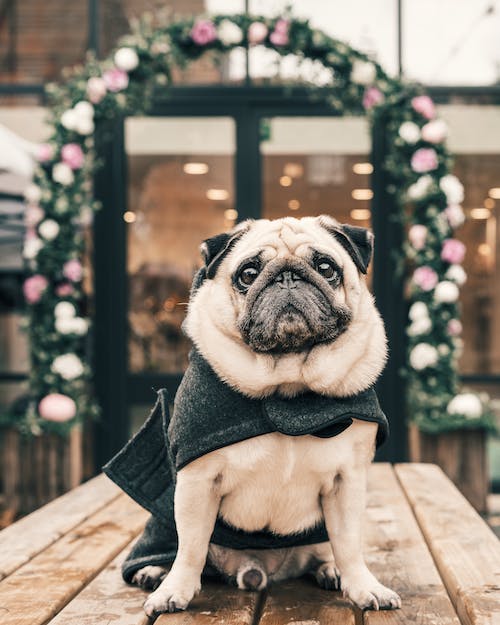
    Another effective way to keep your canine companion warm is by dressing them appropriately for outdoor activities. Just like humans wear coats and sweaters in cold weather, dogs can benefit from wearing winter clothing too. There are various options available such as jackets, sweaters, boots, and even hats specifically designed for dogs. Ensure that these garments fit properly without restricting movement or causing discomfort.

    Proper Fuel for Your Pup is Important

    Maintaining good nutrition is equally important during winter months as it helps regulate body temperature from within. Consult with your veterinarian about adjusting your dog’s diet according to their specific needs during colder seasons. Adding healthy fats like fish oil or coconut oil can help improve coat condition while providing an additional layer of insulation against the cold.

    Exercise Is Key

    Regular exercise is essential for dogs regardless of the weather; however, it becomes even more crucial during winter. Engaging in physical activities helps keep their body warm and promotes better circulation. However, it is important to be mindful of the weather conditions and avoid prolonged exposure to extreme cold or icy surfaces that can harm your dog’s paws. Furthermore, taking care of your dog’s paws is vital during winter months. The cold weather, ice, and salt used on sidewalks can cause dryness, cracking, or even chemical burns on their sensitive paw pads. To protect their paws, consider using pet-safe paw balms or booties when going outside. After walks, wipe their paws with a warm damp cloth to remove any potential irritants.

    Lastly, always be aware of the signs of hypothermia in dogs. Symptoms may include shivering, lethargy, pale gums, difficulty breathing, and disorientation. If you suspect your dog is experiencing hypothermia or any other health issues related to the cold weather, seek immediate veterinary attention.

    Keeping our dogs warm during winter requires a combination of proper sheltering techniques such as insulated doghouses and bedding along with appropriate clothing like jackets or sweaters. A well-balanced diet rich in healthy fats will help regulate body temperature from within while regular exercise keeps them active and warm. Additionally, protecting their paws from harsh weather conditions is essential for overall well-being. By following these best practices for winter care for our furry friends, we can ensure they stay cozy and safe throughout the colder months ahead.
  • Benefits of Crate Training a Dog

    Benefits of Crate Training a Dog

    Crate training is a popular method used by dog owners to train their furry friends. It involves using a crate or kennel as a safe and comfortable space for the dog to rest, sleep, and spend time in when necessary. While some people may view crate training as cruel or confining, it actually offers numerous benefits for both the dog and its owner.

    One of the primary advantages of crate training is that it provides a safe haven for dogs. Dogs are den animals by nature, and they instinctively seek out small, enclosed spaces where they can feel secure. A crate serves as their personal den within the home, offering them a sense of comfort and security. This is particularly beneficial for puppies who are still adjusting to their new environment or rescue dogs who may have experienced trauma in the past.

    Crate training also helps with housebreaking and potty training. Dogs naturally avoid soiling their sleeping area, so when confined to a crate, they learn to hold their bladder until they are let outside. This teaches them bladder control and helps establish a routine for bathroom breaks. By consistently using the crate during potty training, accidents inside the house can be minimized or even eliminated altogether.

    In addition to aiding in housebreaking, crates also prevent destructive behavior caused by separation anxiety or boredom. Dogs left alone at home often resort to chewing furniture, shoes, or other household items out of anxiety or boredom. However, when properly trained to associate the crate with positive experiences such as treats or toys, dogs see it as their own personal space where they can relax without causing any damage.

    Crate training also facilitates easier travel with your furry companion. Whether you’re going on vacation or visiting friends and family across town, having your dog accustomed to being in a crate makes transportation much simpler and safer for everyone involved. Dogs that are comfortable in crates experience less stress during car rides since they have familiar surroundings around them. Additionally, crates prevent dogs from distracting the driver or moving around excessively, reducing the risk of accidents.

    Another benefit of crate training is that it helps establish a routine for feeding and sleeping. Dogs thrive on consistency and structure, and having a designated space for meals and rest can greatly contribute to their overall well-being. By feeding your dog in its crate, you create a positive association with the space, making it more likely to willingly enter when needed.

    Furthermore, crates can be used as a tool for managing behavior problems. For instance, if your dog becomes overly excited or aggressive during visitors’ arrival or mealtime, placing them in their crate temporarily can help calm them down and prevent any unwanted incidents. It also serves as a safe place for dogs during thunderstorms or fireworks when they may become anxious or scared.

    Lastly, crate training provides peace of mind for dog owners. Knowing that your furry friend is safe and secure in their crate while you’re away from home reduces worry about potential accidents or destructive behavior. It also prevents dogs from accessing hazardous items such as toxic substances or small objects that could be swallowed.

  • How To Treat a Dog’s Bleeding Nail Bed

    How To Treat a Dog’s Bleeding Nail Bed

    Dogs are known for their playful and active nature, which often leads to accidents and injuries. One common injury that dog owners may encounter is a bleeding nail bed. A bleeding nail bed can be a painful experience for your furry friend, but with proper care and attention, you can help alleviate their discomfort and promote healing.

    Firstly, it is important to remain calm when dealing with a dog’s bleeding nail bed. Dogs are highly sensitive to their owner’s emotions, so staying calm will help prevent further stress or anxiety in your pet. Next, gently restrain your dog to prevent them from licking or biting at the injured area. This can be done by placing a muzzle on your dog or using a towel to wrap around their snout.

    Once your dog is safely restrained, carefully examine the injured nail bed. If there is any debris or foreign objects lodged in the wound, use tweezers to remove them gently. Be cautious not to cause further damage or pain while doing this.

    To stop the bleeding from the nail bed, apply gentle pressure using a clean cloth or gauze pad. Maintain this pressure for several minutes until the bleeding subsides. If the bleeding persists after 10-15 minutes of continuous pressure, it may be necessary to seek veterinary assistance.

    After successfully stopping the bleeding, it is crucial to clean the wound thoroughly to prevent infection. Use warm water and mild soap or an antiseptic solution recommended by your veterinarian. Gently wash around the injured area without applying direct pressure on it. Once cleaned, pat dry the surrounding area with a clean towel or paper towel. Avoid using cotton balls as they may leave fibers behind that could irritate the wound further.

    To aid in healing and provide relief for your dog’s discomfort, you can apply an over-the-counter antibiotic ointment specifically formulated for dogs’ wounds onto the affected area. Be sure to follow the instructions provided on the packaging and avoid using any products containing ingredients that may be toxic to dogs.

    How To Treat a Dog’s Bleeding Nail Bed

    To protect the injured nail bed from further damage, it is essential to prevent your dog from licking or biting at the wound. You can achieve this by using an Elizabethan collar, commonly known as a cone, which will restrict your dog’s access to the injured area. Alternatively, you can use a dog bootie or wrap their paw with a clean cloth or bandage.

    During the healing process, it is crucial to monitor your dog for any signs of infection. These signs may include increased swelling, redness, discharge, or if your dog becomes lethargic or loses its appetite. If you notice any of these symptoms, it is important to consult with your veterinarian promptly.

  • The Longest Living Breeds of Dog and Ways to Ensure a Longer Life

    The Longest Living Breeds of Dog and Ways to Ensure a Longer Life

    The average life expectancy of a dog varies based on several things. Keeping a proper diet, maintaining a healthy weight, and routine veterinarian wellness checks are all very important. Despite these things, some dog breeds in general, tend to outlive other breeds. Below we put together a list of the top five dog breeds that have the longest average life expectancy.

    Chihuahua

    Named for the Mexican state of Chihuahua, is the feisty and lovable Chihuahua. It is believed that the Chihuahua derived from the Techichi, which was a small dog kept by the Toltec people of Mexico in the 9th century. This breed is active and relatively a very healthy dog and has an incredible average lifespan of about seventeen years.

    New Guinea Singing Dog

    The New Guinea Singing Dogs, also referred to as NGSD, are from the Highlands of Papua New Guinea. These roaming dogs have evolved naturally on the island over several thousand years but were not discovered by researchers until the 1950s. This breed has a very average lifespan of about seventeen years.

    Jack Russell Terrier

    Originally bred in the 1800’s in southern England by Parson John Russell is The Jack Russell Terrier. This breed of dog is a family favorite throughout the world and is known for its ability to hunt with hound dogs. They are active and lively dogs that average a lifespan of about sixteen years.

    Toy Poodle

    Originally bred in the early 20th century as a companion dog, the Toy Poodle remains a very well-liked and popular dog to date. They are known to be very alert and intelligent as well as loyal and caring. In 1886 the American Kennel Club (AKC) recognized this breed which has an average lifespan of about sixteen years.

    Cockapoo

    The Cockapoo was designed in the 1960s, when a breeder accidentally combined the genetic material of a Cocker Spaniel and a Poodle. The Cockapoo’s popularity has risen ever since and can be found in households worldwide. Much thanks to his Poodle parent, this breed’s average life expectancy is sixteen years.

    Five Basic Tips to Keep Your Dog Healthy

    1. Provide Your Dog a Healthy and Well-Balanced Diet – Always check the ingredients of their food and be sure to portion it properly. Variables such as the size of your dog, his activity level, and age must be considered. Feeding your dog too much food will result in weight issues as feeding him too little will result in nutrition issues.
    2. Proper Dental Care – Routine teeth cleaning is extremely important in your dog’s longevity. Although this is not always easy to perform it is something you want to always be sure gets done.
    3. Activity Time – Most dogs benefit the most with about thirty minutes of physical activity every day.
    4. Mental Stimulation – While play with your dog be sure to do more than just throw a ball. Human interaction in verbal form and body language will help to stimulate his mind. One-on-one playtime with lots of “good boys” is a great way to achieve this.
    5. Regular Veterinary Visits – Wellness checks are a great way to catch and correct an issue before it becomes a real problem.
  • Top Halloween Costumes for Dogs

    Top Halloween Costumes for Dogs

    Halloween is a time of year when people get to dress up in creative and fun costumes, but it’s not just humans who can get in on the fun. Dogs can also join in the Halloween spirit with adorable and hilarious costumes designed specifically for them. From cute and cuddly to spooky and scary, there are countless options available for dressing up your furry friend this Halloween.

    The Classic Costumes

    One of the most popular dog costumes for Halloween is the classic pumpkin. This costume features a bright orange bodysuit with a green stem on top, making your dog look like a walking jack-o’-lantern. It’s simple yet effective, instantly transforming your pup into an iconic symbol of Halloween. Plus, it’s comfortable for dogs to wear and allows them to move freely while trick-or-treating or attending parties.

    Another beloved costume option is the superhero outfit. Whether it’s Superman, Batman, or Wonder Woman, dressing your dog as a superhero is sure to turn heads and bring smiles wherever you go. These costumes typically include a cape and logo emblazoned on the back, giving your pet an air of power and strength. Not only will they look adorable in their crime-fighting attire, but they’ll also feel like true heroes as they strut their stuff around town.

    Top Attention Getters!

    For those looking for something more whimsical, unicorn costumes are an excellent choice. With colorful manes and sparkly horns adorning their heads, dogs dressed as unicorns are guaranteed to be the center of attention at any Halloween gathering. These enchanting outfits often feature tutus or flowing skirts that add an extra touch of magic to their appearance.

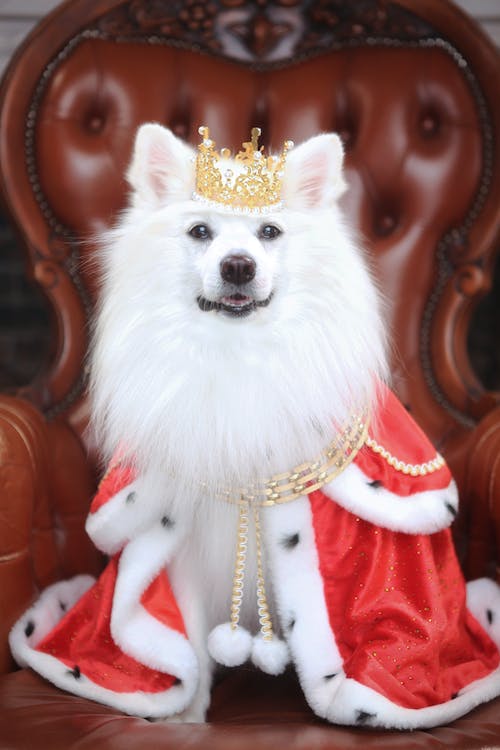
    If you’re aiming for something spookier this Halloween season, consider dressing your dog as a vampire or werewolf. These classic monster costumes never go out of style and are perfect for adding some frightful fun to any celebration. Vampire outfits usually consist of black capes with red lining and a set of fangs, while werewolf costumes feature faux fur and menacing claws. Just be prepared for your dog to receive extra treats when they show up at the door in one of these terrifying getups!

    Nothing Wrong with A Humorous Costume

    For those who prefer a more humorous approach, there are plenty of funny costumes available as well. From hot dogs to tacos, dressing your dog as food is always a crowd-pleaser. These costumes often come with hilarious details like condiments or toppings, making them even more entertaining. Seeing your furry friend transformed into their favorite snack is sure to bring laughter and joy to everyone around.

    Just Have Fun!

    Whether you opt for a classic pumpkin outfit, superhero attire, whimsical unicorn costume, spooky vampire or werewolf ensemble, or a hilarious food-themed getup, there’s something out there to suit every dog’s personality and style. So, this Halloween season, don’t forget to include your furry friend in the festivities by dressing them up in an adorable or spooky costume that will make heads turn and tails wag!

  • The BIGGEST Dogs

    The BIGGEST Dogs

    Despite their intimidating appearance, larger dog breeds are generally well-tempered, caring, and friendly animals! Throughout history, many of these dogs have been relied on for their strength and size to help them excel in protecting livestock, work around the farm, and guarding their home. Below are the top six largest breeds of dogs and some interesting information about them.

    English Mastiff

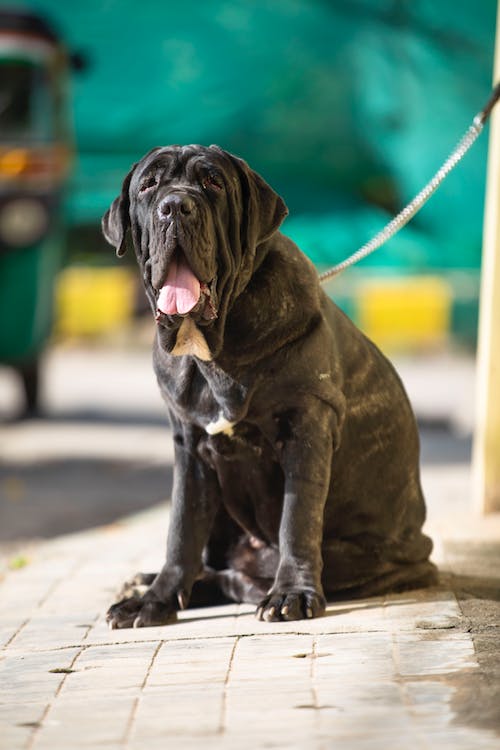
    At the top of our list of big dogs is the mighty English Mastiff. This breed is recognized by the American Kennel Club (AKC). The largest English Mastiff on record weighed an incredible 343 pounds and was named Aicama Zorba. The average English Mastiff weighs in around 150 pounds and stand about thirty inches tall.

    Boerboels

    The Boerboel averages a weight between 150 and 220 pounds. Farmers in South Africa began using this breed of dog after initially developing them to hunt leopards and baboons. This gigantic dog is very powerful and at times is known to be somewhat aggressive, so socialization training at a young age is needed.

    Saint Bernard

    Saint Bernard dogs are large, powerful, and sturdy dogs. Male Saint Bernards typically weigh in between about 160 pounds while female Saint Bernards tend to weigh between about 130 pounds. Most Saint Bernards stand about thirty inches tall at full maturity. This breed was developed to help rescue Alpine mountaineers. The face of a Saint Bernard has a distinct appearance with a short muzzle, floppy ears and wrinkled brows.

    Great Dane

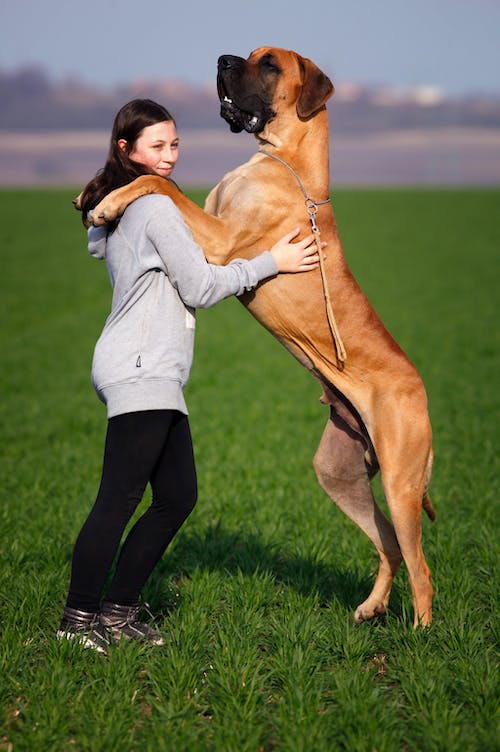
    The Great Dane is another large breed of dog. Male Great Danes generally weigh in at 140 and 175 pounds. Female Great Danes generally tip the scales between 110 and 140 pounds. The largest Great Dane on records was named Zeus, who stood nearly 48 inches tall and when standing up on his back legs measured about seven feet high!

    Leonbergers

    Per the American Kennel Club (AKC), male Leonbergers weigh between 110 and 170 pounds. Female Leonbergers generally weigh between 90 and 140 pounds. Both male and female Leonbergers stand about 30 inches tall at maturity. The Leonbergers has a distinct lion-like mane around its neck and chest which magnifies its giant appearance. Due to their water-resistant coat, water rescue teams often use this breed for rescues. The Leonberger is also makes a great watchdog due to its intimidating size.

    Tibetan Mastiffs

    Tibetan Mastiffs are very large and powerful dogs. Male Tibetan Mastiffs weigh between 90 and 150 pounds. Female Tibetan Mastiffs weigh between 70 and 120 pounds. This breed stands about two feet tall at maturity and they are known to make an excellent watchdog. These dogs have a long and proven history of serving mankind.

    Anatolian Shepherd

    Anatolian Shepherds were originally developed in the Kangal region of Turkey to guard and protect livestock. Although this breed is mighty strong and protective, they tend to be very gentle around their family. Male Anatolian Shepherds weigh between 110 and 150 pounds while female Anatolian Shepherds weigh between 80 and 120 pounds. They stand about thirty inches tall at maturity.

  • Top Dog Breeds for Older Individuals

    Top Dog Breeds for Older Individuals

    Dogs make great companions and quickly become a part of our family. They offer us years of joy and happiness and provide us with a lot of good. Each breed of dog varies and has certain qualities and traits. Some pups are known for their high activity needs, whereas others are known for their “let’s take a nap” needs. Regardless of which breed of dog it is, they are all very special and will love you in a very loyal way. Many older individuals look for a balance in their pup, such as will their dog like going for walks yet not need an excessive amount of activity to stay well. Generally, smaller or medium-sized dogs make a good fit as they are not as powerful and end up taking their owners for a walk or are too large and, while playing, pose a physical control issue. We have put together a list of what we feel to be the top five best dog breeds for older individuals. This list takes into account many factors, such as size, demeanor, and overall activity levels.

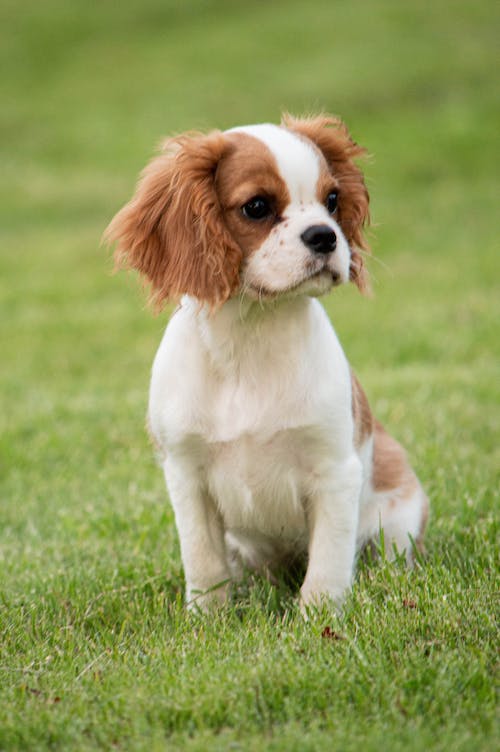
    Cavalier King Charles Spaniel

    The Cavalier King Charles Spaniel seems to be at the top of many of our lists because this breed is a downright amazing dog. They are extremely caring and social dogs that are not known for aggression or for being overly energetic. They do enjoy strolls and activity time but also enjoy a warm lap and a good movie with their family. Much thanks to this pup’s demeanor, they get along well with just about anyone or anything and make a great family pet. This breed is sure to not disappoint and will win your heart in no time at all.

    Breed Facts

    GROUP: Toy
    HEIGHT: 12 to 13 inches
    WEIGHT: 13 to 18 pounds

    French Bulldog

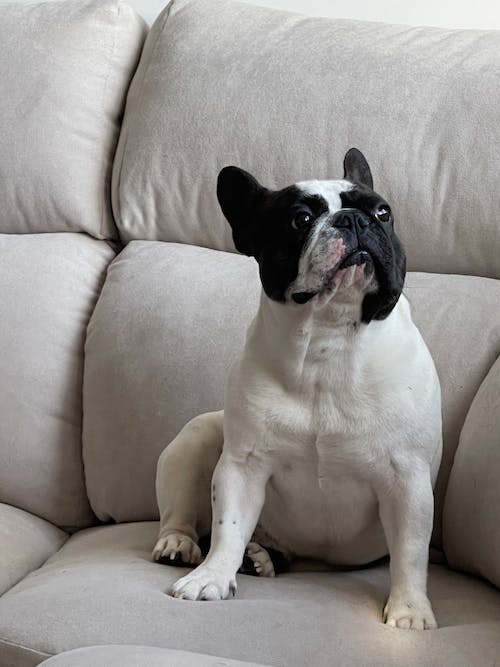
    If you are looking for a pup that is not looking for much more than a cozy couch, his family, and some petting, the French Bulldog is it. This amazing breed of dog loves his family and is not known to be overly energetic. They also do not bark a lot or are known to “over-explore” and get into trouble. The French Bulldog has been around for a very long time and has proven to make a great family pet. Due to their smaller size, they are also a good fit for those who may have physical limitations in handling dogs. This pup is a great breed of dog and will win your heart in no time at all.

    Breed Facts

    GROUP: Non-sporting
    HEIGHT: 11 to 13 inches
    WEIGHT: 19 to 28 pounds

    Maltese

    The Maltese is a smaller breed of dog who craves the affection and love of his family. They are known for being calm and caring and look forward to a good routine with their family. They are generally easy to care for and tend to look at you as their best friend. Being that this breed of dog is not large and overpowering, taking walks and spending time with him outdoors is not very difficult. The Maltese makes a great pet for older people who would like a dog that is relatively easy to care for.

    Breed Facts

    GROUP: Toy
    HEIGHT: 8 to 10 inches
    WEIGHT: 4 to 7 pounds

    Pomeranian

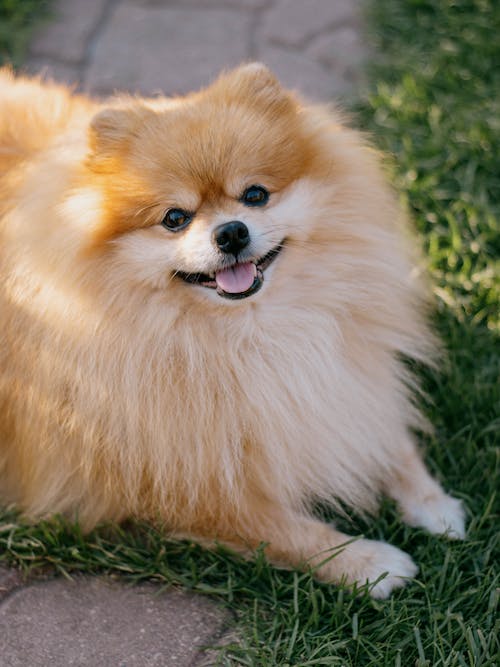
    The Pomeranian is a great pup who you will quickly fall in love with. They do not require excessive amounts of care, nor are they known to be aggressive. They learn the rules of the home rather quickly and really enjoy spending quality time with their family. This breed has also been around for a very long time and has won the hearts of families around the world. If a smaller breed of dog that loves your lap is what you are looking for, the Pomeranian should be considered. This pup will not disappoint!

    Breed Facts

    GROUP: Toy
    HEIGHT: 6 to 7 inches
    WEIGHT: 3 to 7 pounds

  • Two of America’s Favorites | The French Bull Dog and The Cavalier King Charles Spaniel

    Two of America’s Favorites | The French Bull Dog and The Cavalier King Charles Spaniel

    Americans really love their dogs, and two of the most popular breeds of dogs in the United States are the French Bulldog and the Cavalier King Charles Spaniel. Both of these pups make terrific family pets for dozens of reasons and annually rank very high in popularity. If you are in the process of choosing which breed of dog is best for you, this blog will help you out. We will go over their basic history, their personalities, and their physical characteristics. 

    History of The French Bulldog 

    In the early 1800s, Normandy lace workers from England settled in France for employment. They brought with them smaller bulldogs who were primarily used as companion dogs and to hunt rats on farms. By the 1800’s, their popularity was growing, and the French Bulldog was fetching, no pun intended, up to $750 per dog. This breed took off and was a success in the farming communities. 

     History of The Cavalier King Charles Spaniel 

    The Cavalier King Charles spaniel is the descendant of a small toy spaniel depicted in many 16th Century paintings of northern Europe. This dog was originally bred to warm the laps of royalty in drafty castles. The breeding of the Cavalier King Charles Spaniel in the United States took place in the 1950s. The breed was recognized by the American Kennel Club in 1996.

    Living With the French Bulldog 

    The French Bulldog adapts well to contemporary or apartment-style housing. They make an ideal fit for those who don’t have a lot of property (big yard) and prefer to spend a Saturday morning relaxing on the couch with a soft blanket versus taking a long jog outside. This breed does require exercise but much prefers taking it easy and relaxing. The French Bulldog requires minimal grooming and is very easy to maintain. 

    Living With the Cavalier King Charles Spaniel 

    The Cavalier King Charles Spaniel is happy in just about any housing situation. They are not selective and do not require a lot of room. They tend to be more active than the French Bulldog but enjoy a warm lap and blanket as much as the French Bulldog does. This breed is certainly a top companion dog and simply loves being around her family. The Cavalier King Charles Spaniel requires routine brushing but is a very easy-to-maintain dog. 

    French Bulldog’s Personality

    Many would describe the French Bulldog as having a funny, silly, and loving personality. This breed is affectionate and just wants to be close to his family. They are not known for aggression or for being overly rambunctious. They do enjoy playing within reason and tend to be happy when you are. They are great family pets who love kids and other dogs.

    Cavalier King Charles Spaniel’s Personality

    Loving, loving, and loving. The Cavalier King Charles Spaniel is a very caring, calm, and charming dog. They enjoy your lap and company and are outgoing in a calm fashion. They are not known for aggression and have very warm and approachable demeanors. They will win your heart in no time at all as the hearts of kids and other dogs in the house. 

    Breed List Comparisons:

    Height / Weight: French Bulldog 11 to 13 inches and about 30 pounds

    Height / Weight: Cavalier King Charles Spaniel 12 to 14 inches tall and 17 pounds

    Energy Level: French Bulldog: Average

    Energy Level: Cavalier King Charles Spaniel: Average

    Life Expectancy: French Bulldog 9-11 years

    Life Expectancy: Cavalier King Charles Spaniel 9-14 years

    Daily Exercise Time: French Bulldog 20 minutes

    Daily Exercise Time: Cavalier King Charles Spaniel 20 minutes

    Barking Rate: French Bulldog: Moderate Barking Rate: Cavalier King Charles Spaniel: Low

  • What To Do If Your Pup Is Packing on The Pounds

    What To Do If Your Pup Is Packing on The Pounds

    Just like people, pups can experience weight issues which can result in health issues. Although each dog’s weight will increase or decrease over time, every breed has an average weight. Although some medical issues can cause weight increase, one of the main culprits is more calories going into your pup than going out. Over the course of a few months this can lead to your pup being overweight. Obesity in dogs is a real issue and can be detrimental to their health and well-being.

    Studies show that more than one half of dogs living in the United States are overweight. A few extra pounds on a dog are not the end of the world, but pups that are grossly overweight do have a diminished quality of life and face a wide range of health issues. Dogs that are very heavy tend to have a hard time getting around, lack energy and may end up suffering from health issues such as arthritis, hypertension, and diabetes. Helping your dog maintain a healthy weight can improve and extend your pup’s life and overall happiness.

    Tips On Helping to Lower a Dog’s Weight

    Reduce daily calories: Begin measuring the quantity of food your dog is receiving at meal time. Instead of just pouring his food into a bowl and eyeing it out, take the time to measure it. Dogs like to eat and will normally eat whatever is in front of them.

    Switch to a lower carb, higher protein diet: Shop around for higher protein dog food which will not bog your pup down. Although carbs are important, meats and other proteins are very much needed. This will help your pup look and feel his best.

    Keep feeding times the same: Many dog owners provide their pup with two meals every day in twelve-hour intervals. A morning and evening feeding will help disperse the energy they need to function.

    Add fiber to your dog’s diet: Fiber supplements will help your pup feel fuller quicker and are good for his overall health.

    Provide plenty of fresh drinking water: Making sure that your dog is well hydrated is key in weight control and for his overall health and well-being.

    Reward with fun, words, and petting, not food: When your pup does something good, he will enjoy a pet or “good boy” as much as he would enjoy a snack. Snacks are a good reward at times, but when you are trying to help your pup drop a few pounds they will only add to the struggle.

    Amp up your pup’s daily exercise time: This is more than throwing a ball in the living room. Dedicate thirty minutes twice a day and take your pup outside and go for a brisk walk. Other activities such as playing outdoor fetch where your pup needs to run and retrieve a ball work well too.

    Always be patient: Weight loss takes time to accomplish and being patient with your dog throughout this process is very important. Your pup can detect when you are stressed so try and be calm and relaxed. Always consult with your veterinarian: Before doing anything, give your veterinarian a call and discuss your concerns and see what he / she says.

    Slow And Steady

    While working with your pup in this weight loss journey, slow and steady wins the race. Set reasonable expectations and work towards the goal together. This is a day-by-day process which will take time. Over the course of this, your pup will begin to fall into this healthier routine. The key is to allow your pup to gradually accept this new routine which will eventually be second nature to him. It is more of a way of life than a diet because even after your pup reaches the desired weight, he will still need to be active and eat healthy to prevent the unwanted weight from returning.